
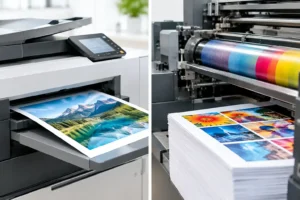
Digital Versus Offset Printing for Your Job
Digital versus offset printing explained for Australian businesses. Compare cost, speed, colour, quantities and the right choice for your next print run.
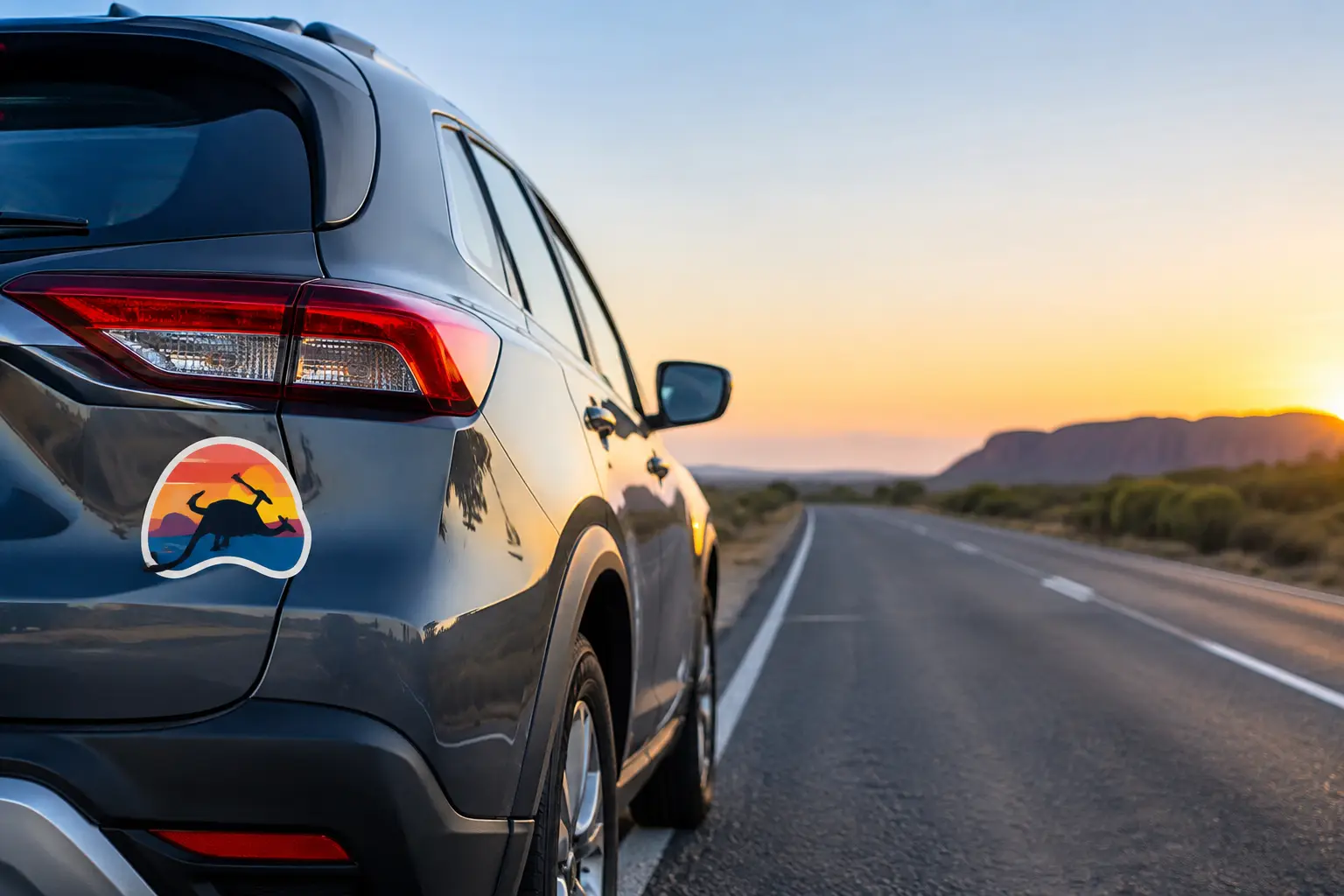
A bumper sticker has only a few seconds to do its job. At the lights, in a car park, behind a ute on the highway – people need to read it quickly, understand it instantly and remember it later. That is why good bumper stickers are less about squeezing on every detail and more about putting one clear message in the right place.
For Australian businesses, clubs and community groups, a vehicle is valuable moving advertising. For drivers, bumper stickers can show personality, support a cause or make a work vehicle easier to recognise. Either way, the sticker needs to handle sun, rain, road grime and regular washes without looking tired after a few weeks.
Bumper stickers work because they take a message beyond one shopfront, event or social post. A plumber parked at the supplier, a café delivery car in town or a landscaping trailer on the road can put a business name in front of local customers repeatedly. That repetition builds familiarity, especially when the design is easy to recognise at a glance.
They are also a practical option for short-term campaigns. A school fundraiser, local sporting club, election campaign, market stall or charity drive can use a simple sticker to create visibility without committing to a full vehicle wrap. The trade-off is scale: a bumper sticker will not deliver the same impact as large vehicle signage, but it is faster to apply, easier to replace and more affordable when you need multiple vehicles involved.
For personal use, the value is simpler. A well-made sticker turns a car, caravan, boat box or trailer into something that feels like yours. The best designs still follow the same rule as business stickers: keep the message strong enough to read without stopping traffic to decipher it.
The most common bumper sticker mistake is trying to include a whole brochure on a small strip of vinyl. A logo, business name, phone number, website, service list and slogan may all matter, but they do not all need to appear in the same place.
Choose the one action or idea you want people to take away. For a trade business, that may be the business name and service. For a local club, it might be a recognisable phrase or mascot. For a product brand, it could be a bold logo and a short line that captures what you make.
If contact details are essential, use a large phone number or a short web address, not both in tiny type. QR codes can be useful on a rear window or trailer where people can scan them while parked, but they are not a replacement for a readable message on a moving vehicle. A driver behind you needs to understand the sticker from several metres away.
A useful test is to view the artwork at arm’s length on your mobile screen, then take a few steps back. Can you still read the key words? If not, simplify it before printing.
High contrast does most of the hard work. Dark lettering on a light background, or light lettering on a dark background, is generally easier to read than colours with similar brightness. A bright yellow logo may look great on a screen, for example, but can disappear against white vinyl in harsh midday light. Thick fonts, generous spacing and a clean border usually perform better than fine script and detailed illustrations.
Shape matters too. A long rectangular bumper sticker suits a short statement, phone number or business name. A die-cut shape is better when the logo itself is the hero. If your design has an irregular outline, die-cutting removes the blank background and gives it a more finished look. Just avoid intricate points and very narrow sections that may be harder to apply cleanly or can lift over time.
Australian weather is not gentle on vehicle graphics. UV exposure can fade weaker inks, heat can stress adhesive, and rain, salt air and dust all test the finish. For bumper use, quality outdoor vinyl with a permanent adhesive is usually the sensible choice. It is made for the job: flexible enough to sit neatly on a smooth surface and durable enough for day-to-day driving.
The right choice still depends on where the sticker is going. A bumper, painted panel, toolbox or trailer generally needs a strong adhesive because it faces wind, water and grime. A removable product may suit a short campaign or temporary promotion, but it is not the best fit when you want the sticker to stay put through weather and washes.
Clear vinyl can look sharp on glass or a light-coloured surface, particularly when you want the design to feel less like a traditional label. However, transparent areas can reduce contrast. Optional white ink behind coloured elements can make the artwork stand out and preserve the intended colours. Static cling is another option for smooth glass, but it is designed for temporary placement rather than long-term exterior exposure.
Before ordering, think about the actual surface. Textured plastic bumpers, unpainted trim and heavily curved panels can be trickier than smooth painted metal or glass. No sticker material can fully compensate for dirt, silicone residue or a rough, uneven surface. If the vehicle has a complicated bumper, a rear window, tailgate, door or smooth section of the trailer may give a better result.
A great bumper sticker can look awkward if it is applied crooked, too low or across a panel break. Hold it in place with masking tape first and step back several metres. Check it from both sides of the vehicle, not just straight on. On a work vehicle, make sure it does not compete with existing signage or disappear beside a busy logo.
Clean the area thoroughly, then dry it completely. Dust, wax, oil and moisture are the enemies of adhesion. Apply slowly from one edge, smoothing as you go to push out air. Avoid fitting stickers during extreme heat if possible, as a hot panel can make application less forgiving. Let the adhesive settle before washing the vehicle or aiming a high-pressure hose at the edges.
Be mindful of visibility and safety. Do not place bumper stickers over number plates, lights, reflectors, cameras, sensors or anything the driver needs to see through. Rear-window stickers should leave clear sightlines, especially on vehicles without strong reversing-camera coverage. For commercial vehicles, check any workplace, fleet or local requirements that apply to your industry.
If you already have professional artwork, supply the best-quality file available. Vector files are ideal for logos and text because they can scale cleanly. High-resolution PDFs and image files can also work when they are created at the correct size. A tiny image copied from social media is rarely suitable for print and may look soft or pixelated when enlarged.
If you only have a sketch, an old business card or an idea in your head, that is still enough to get started. The key is to explain the outcome you want: where the sticker will go, the size you have in mind, the quantity, your colours and the message that must be included. A proof is your chance to check spelling, layout, size and colour before production. Take a moment with it. Proofing is far quicker than replacing a run of stickers with the wrong phone number.
Fast Stickers offers free artwork assistance and unlimited proof revisions, which is particularly handy when you need a clean, production-ready design without spending your week wrestling with design software. With Australian-made printing, fast production and express delivery nationwide, it is built for businesses and organisers who need stickers moving quickly.
The strongest bumper stickers do not shout every possible detail. They give people one memorable thing to see, use material that suits the vehicle and stay legible after kilometres of Australian road. Start with the message people need to remember, choose a finish that can handle the conditions, and give the design enough breathing room to be seen properly.
Digital versus offset printing explained for Australian businesses. Compare cost, speed, colour, quantities and the right choice for your next print run.
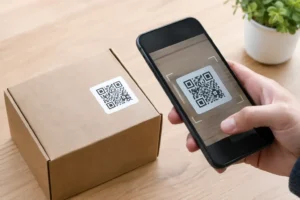
Creating QR code stickers for packaging, shops and events? Get the design, sizing, testing and material choices so every scan works in Australia.
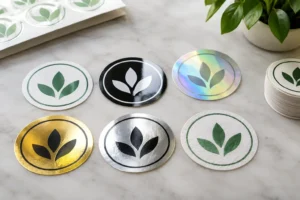
Compare popular sticker finishes for branding, from gloss and matte to clear, metallic and more, so every label, product or promotion looks spot on too.
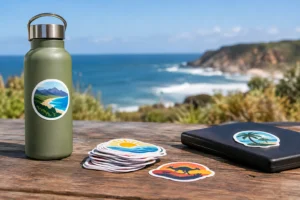
Choose outdoor sticker materials that stand up to sun, rain, salt spray and daily wear, with practical advice for labels, vehicles, windows, gear and more.
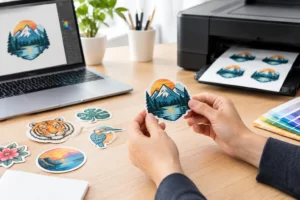
Need a sticker artwork design service? Get print-ready designs, unlimited proof changes and durable custom stickers made for tough Australian weather, promptly.