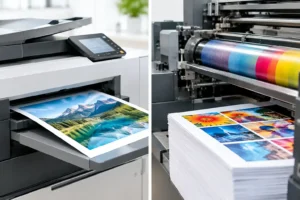
Digital Versus Offset Printing for Your Job
Digital versus offset printing explained for Australian businesses. Compare cost, speed, colour, quantities and the right choice for your next print run.
A great logo can look flat, cheap or hard to read once it is printed on the wrong stock. That is why popular sticker finishes for branding deserve more than a quick tick at checkout. The finish changes how your colours appear, how the sticker feels in hand and whether it suits a café jar, a tradie ute, a retail parcel or a sunny shopfront window.
For most businesses, the best choice comes down to where the sticker will live, how customers will handle it and what job it needs to do. A premium finish is not always the glossiest one. It is the one that makes your brand easy to recognise and holds up in real conditions.
Before choosing a finish, picture the sticker after it leaves your hands. Is it sealing takeaway packaging? Labelling a candle? Sitting on a toolbox? Handed out at an event? A label on a shelf has different needs from a vehicle decal exposed to rain, dust and harsh Australian sun.
There is also a difference between a finish and an adhesive. Gloss, matte, clear and metallic describe the look of the sticker. High-tack, removable and static-cling options describe how it sticks. Both matter, but they solve different problems. A beautiful gloss sticker is not much help if it will not stay put on a textured container, and a high-tack label is not the right choice for a temporary promotion.
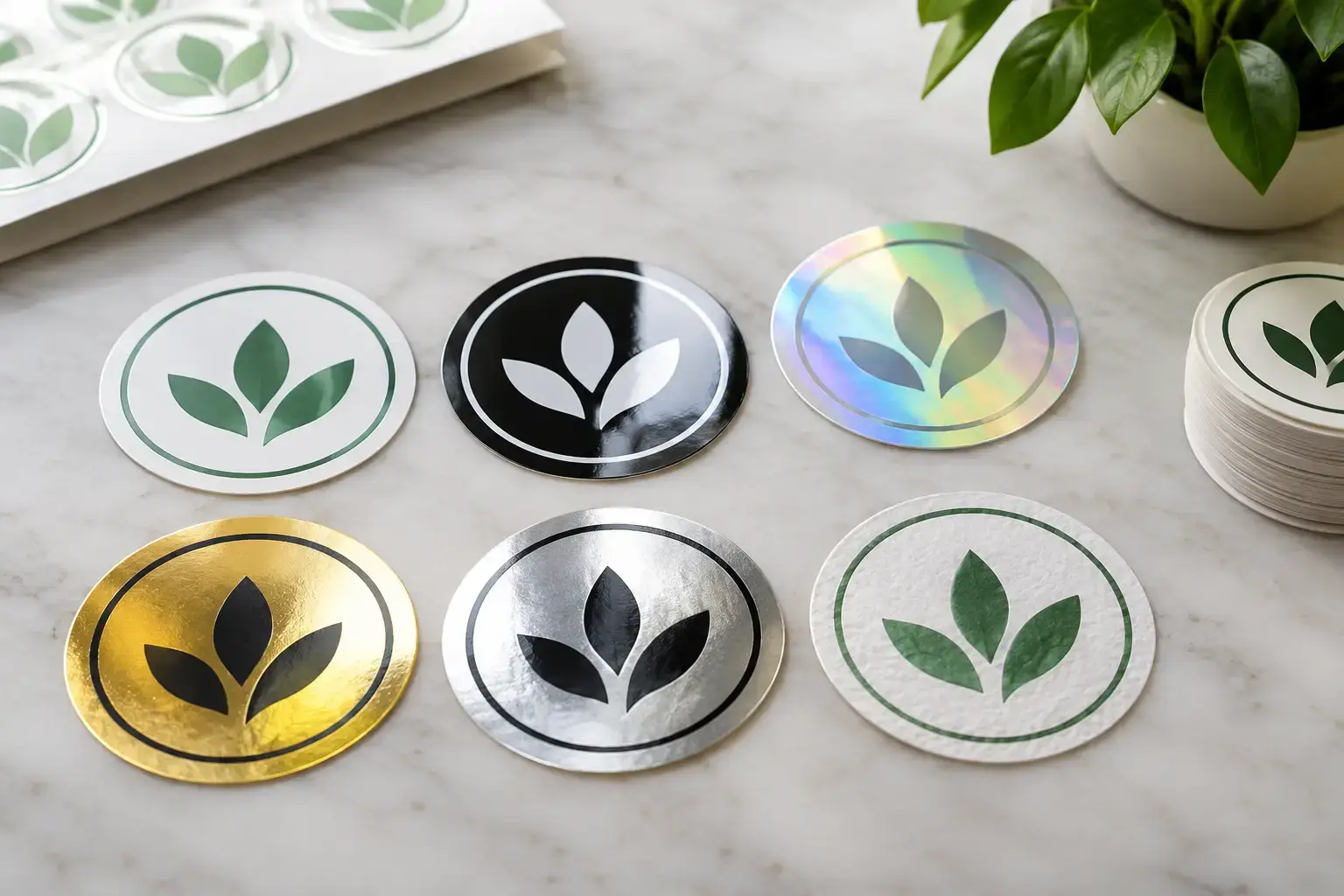
Gloss is the familiar, polished option. It gives colours extra punch, makes photos look lively and adds a smooth, professional sheen. If your brand uses bright product photography, saturated colours or playful illustrations, gloss can make the design feel more immediate.
It is a strong all-rounder for promotional stickers, food packaging, product labels and outdoor branding. A gloss vinyl sticker also wipes clean easily, which is handy for drink bottles, equipment, containers and anything likely to pick up fingerprints or splashes.
The trade-off is reflection. Under bright retail lighting or direct sun, glare can make fine type harder to read. Gloss can also show fingerprints more readily on dark solid colours. Keep essential wording clear and comfortably sized, rather than relying on tiny white text over a dark background.
Matte has a smooth, non-shiny surface that feels considered and modern. It suits brands that want an understated look, particularly premium food, beauty, wellness, homewares and service businesses. Dark colours often look especially smart in matte, while the lower reflection helps customers read information under strong lighting.
This finish is a good choice when your design includes lots of text, muted colour palettes or detailed linework. It can make a label feel more like part of the packaging rather than an add-on.
Matte does not naturally make colours pop in the same way as gloss. If your logo depends on neon shades, punchy photos or high contrast, request a proof and compare the effect carefully. The right finish depends on the personality you are trying to put across: crisp and energetic, or calm and premium.
Clear stickers are made for brands that want the product or surface underneath to do some of the visual work. They are ideal for glass jars, bottles, windows, cosmetic packaging and clear containers where a white sticker background would feel heavy.
They can create a clean, almost printed-on result, but artwork needs planning. Light colours and white elements can disappear against clear film or the contents of a jar. Optional white ink solves this by creating a solid base beneath selected parts of the design, so white text, logos and colours remain visible.
Think about the surface behind the sticker before approving artwork. A clear label on amber glass will look different from the same label on a pale bottle. If your packaging changes colour across flavours or product lines, build enough contrast into every version.
Metallic finishes make branding feel special without requiring a complicated design. Gold works beautifully for celebration products, boutique food and drink, cosmetics, wedding items and premium gift packaging. Silver has a cleaner, more contemporary feel and can suit technology, automotive, sports and industrial brands.
The metallic surface becomes part of the artwork, so use it intentionally. A simple logo, border or key graphic often has more impact than covering every available area. Fine text and pale colours may be less predictable over metallic material, particularly when the label is viewed from different angles.
Metallic stickers are about attention and perceived value. They are best used when the product, campaign or event benefits from a bit of theatre. For everyday information-heavy labels, matte or gloss may be easier to read.
Paper labels can be an excellent fit for short-life products, indoor packaging, markets and promotional runs. They offer a straightforward, familiar look that works well for bakery goods, dry pantry items, stationery and handmade products.
They are not the option for every application. Paper is less suited to wet environments, refrigeration, outdoor exposure or products that will be handled roughly. If a label needs to survive an ice bucket, bathroom humidity or regular cleaning, vinyl is the safer bet.
For the right product, though, paper can feel warm and approachable. Pair it with a clear typeface and a simple design, and it can support a handmade or local brand story without trying too hard.
Once you have chosen the surface look, select an adhesive that suits the placement. Permanent vinyl is a dependable choice for long-term branding on products, packaging and equipment. High-tack stickers are designed for challenging surfaces where extra grip is needed, such as some textured plastics, bins or outdoor gear.
Removable stickers work best for temporary promotions, sales messages, seasonal packaging and rental or event use. They are made to come away more cleanly, but surface type, heat and how long the sticker stays in place will still affect removal. Static-cling stickers use no adhesive at all and are suited to smooth glass surfaces, such as vehicle windows and shopfront displays.
This is where a quick conversation can prevent an expensive mistake. Tell your printer what surface you are applying to, whether it will be inside or outside, and how long it needs to last. Sticker Experts can then steer you towards the right material rather than just the nicest-looking sample.
Your sticker finish will not rescue an overcrowded design. Keep the key message obvious at the size it will actually be printed. A label seen from an arm’s length away needs a different layout from a bumper sticker viewed from several metres away.
Use strong contrast between text and its background, especially on clear and metallic stocks. Leave a little breathing room around your logo and avoid placing critical text too close to the edge. If you are using a custom die-cut shape, make sure the outline supports the design rather than creating awkward narrow sections that are harder to apply.
For product labels, check the label against the actual pack. Curved bottles, textured cardboard, chilled containers and small lids can all change the result. For vehicle and outdoor stickers, favour durable vinyl and a design that stays readable at a glance. The best branding is not simply attractive up close. It works when someone sees it quickly in a busy shop, at a market stall or in traffic.
A digital proof is your chance to check spelling, positioning, colour balance, cut line and any white ink layer before the presses start. It is particularly valuable for clear and metallic finishes, where the base material influences the final look.
If you only have a rough logo or an idea scribbled on a note, that is still enough to get moving. Fast Stickers offers free artwork assistance and unlimited proof revisions, so you can turn a good idea into a sticker that is ready to print. With local production and a fast turnaround, you do not need to choose between getting help and getting the job done quickly.
Choose the finish that makes your product or message feel right in the real world. When the material, adhesive and design are working together, a small sticker can do a very big branding job.
Digital versus offset printing explained for Australian businesses. Compare cost, speed, colour, quantities and the right choice for your next print run.
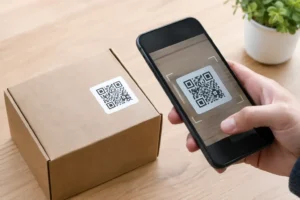
Creating QR code stickers for packaging, shops and events? Get the design, sizing, testing and material choices so every scan works in Australia.
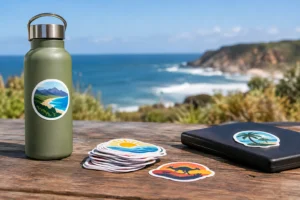
Choose outdoor sticker materials that stand up to sun, rain, salt spray and daily wear, with practical advice for labels, vehicles, windows, gear and more.
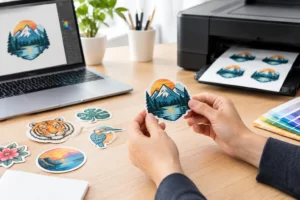
Need a sticker artwork design service? Get print-ready designs, unlimited proof changes and durable custom stickers made for tough Australian weather, promptly.
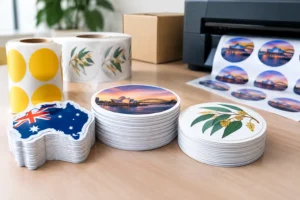
Need urgent sticker printing Australia-wide? Choose the right material, approve artwork fast and get durable custom stickers ready for your deadline today.