
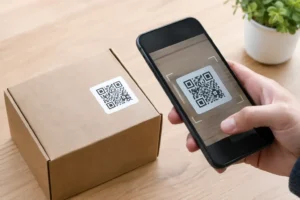
Creating QR Code Stickers That Get Scanned
Creating QR code stickers for packaging, shops and events? Get the design, sizing, testing and material choices so every scan works in Australia.
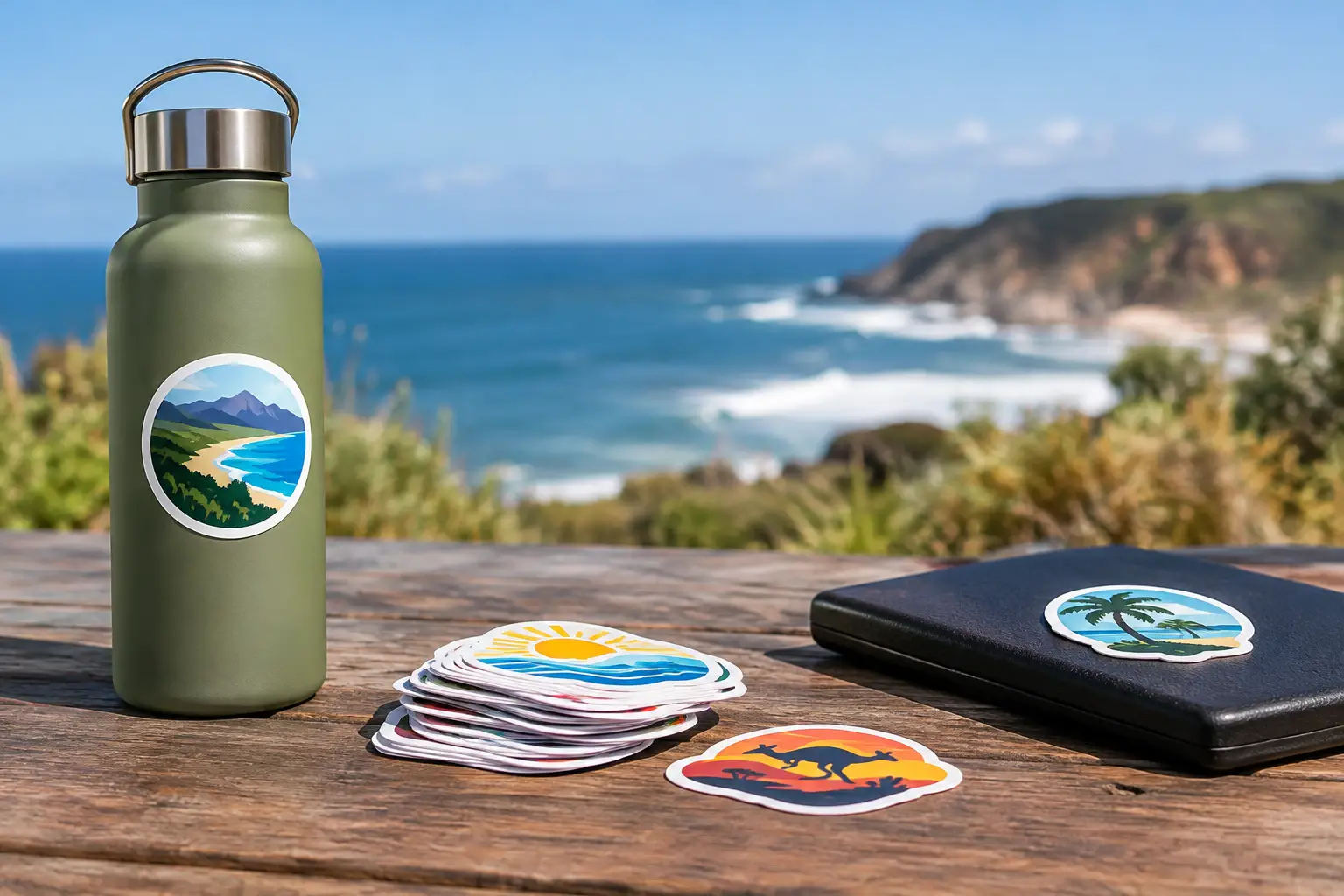
A sticker that looks sharp on the day it arrives but fades, curls or lifts after a few weeks outdoors is not doing its job. The right outdoor sticker materials protect your brand, message or design through hard sun, sudden rain, muddy worksites, salty air and the daily knocks that come with life in Australia.
For a café window decal, a ute service sticker or a label on a product that travels in an ice-filled esky, the best choice is not always the same. Material, adhesive, surface and exposure all matter. Get those details right before printing and your stickers will keep working long after the first impression.
Before choosing a finish or shape, think about the sticker’s real working conditions. Is it going on a smooth car panel, a powder-coated tool box, a shop window, a boat, a helmet or packaging? Will it sit in direct sunlight every day, get pressure-washed, or only face occasional rain?
A sticker applied to a clean, flat vehicle door has very different needs from one attached to a textured wheelie bin or chilled bottle. Outdoor durability is not just about the face material. The adhesive must bond to the surface, while the print and protective finish need to resist UV, moisture and abrasion.
For most outdoor jobs, vinyl is the practical starting point. It is flexible, water-resistant and built to handle more punishment than paper. It also delivers strong colour and clean detail for logos, safety messages, promotions and personalised designs.
Vinyl stickers are the go-to choice when durability matters. They suit cars, utes, trailers, boats, equipment, outdoor signage, drink bottles, laptops and hard cases. A quality vinyl stock handles rain and splashes well, while a protective laminate adds another layer against scratching, fading and day-to-day wear.
That does not mean every vinyl sticker is identical. The right adhesive makes a major difference.
Permanent vinyl is a reliable option for smooth, clean surfaces where the sticker needs to stay put. Think vehicle decals, outdoor product labels, branded packaging that may get wet, or promotional stickers handed out at festivals.
It offers a strong balance of price, print quality and durability. For many business uses, it is the sensible all-rounder. If a sticker will see regular sunlight or handling, ask for an outdoor-ready finish rather than treating it like an indoor paper label.
Some surfaces need extra grip. High-tack stickers are designed for applications where a standard adhesive may struggle, such as rough plastic, textured metal, powder-coated surfaces, bins, machinery, industrial containers and equipment that works outdoors.
High tack is not automatically better for every job. It is harder to remove and may not be suitable for painted surfaces, delicate finishes or temporary campaigns. It is a purpose-built choice when staying power matters more than easy removal.
Bumper stickers need to cope with road grime, rain, sun and repeated washing. They should also remain flexible enough to sit neatly on curved vehicle surfaces. Vinyl is generally the best fit, whether you are promoting a trade business, supporting a local club or adding personality to the back of a car.
Placement matters as much as material. Avoid edges, deep curves and areas with existing damage where water can work underneath. Clean the panel thoroughly and apply only when the surface is dry and not scorching hot.
Clear stickers are excellent when you want the surface beneath the design to remain visible. They work well on windows, jars, bottles, product packaging, glass doors and clear containers. A white ink layer can make colours look solid and readable, especially when artwork includes light colours or needs to stand out against a dark background.
Without white ink, colours printed on clear material can appear more transparent than expected. That can be a great effect for subtle branding, but it is not ideal when legibility is the priority. For shopfront windows, consider whether the sticker will be viewed from inside, outside or both before finalising the artwork.
Clear vinyl is durable, but fingerprints and application bubbles show more readily than they do on opaque white vinyl. A simple design with enough breathing room usually produces the cleanest result.
Not every outdoor sticker needs to be permanent. Removable stickers are useful for short-term promotions, seasonal trading hours, temporary campaigns and event signage. They are designed to come away more cleanly than permanent adhesive options, although removal can still depend on the surface, how long the sticker has been applied and the weather it has faced.
Static-cling stickers use no adhesive. They cling to smooth glass and are ideal for car windows, real estate displays, retail promotions and temporary event messaging. They are best used indoors or on the inside of a window where possible. Wind, dust, heat and frequent handling can reduce their holding power, so they are not the choice for exposed, long-term outdoor applications.
If you need a window message to survive months of weather, adhesive-backed vinyl is usually the safer option. If you need to swap a message next week, static cling may be exactly what you need.
Paper labels can look great and are cost-effective for dry, short-life applications. They suit takeaway packaging, bakery items, candles, gifts and indoor product labelling. Outdoors, or anywhere moisture is likely, paper is a compromise. Rain, condensation, oily hands and refrigeration can cause it to wrinkle, soften or lift.
Metallic gold and silver finishes add impact to premium packaging, event stickers and special releases. They are best selected for the visual result first, then matched to the environment. If the item will live outdoors, make sure the material and protective finish are appropriate for the job rather than assuming a metallic look alone means outdoor durability.
The same rule applies to glossy and matte finishes. Gloss gives colour extra punch and can be easier to wipe clean. Matte reduces glare and creates a more understated look, but may show scuffs sooner in high-contact applications. Neither is universally better. Choose based on where the sticker will be seen and handled.
Good material cannot fix artwork that is too fine, too crowded or poorly matched to the application. Outdoor designs need to be easy to read at a glance. Strong contrast, generous text size and clear spacing are more valuable than cramming every detail onto a small decal.
For stickers exposed to sun, use bold colours and avoid relying on very pale inks for critical information. For vehicles and machinery, make phone numbers, web addresses and key service messages large enough to read from a practical distance. On clear stickers, use white ink where it will improve contrast.
Die-cut stickers are a strong option when you want the sticker shape to follow your logo or illustration. Simple contours tend to wear better than lots of sharp points or narrow protruding sections, which are more likely to catch on hands, gear or cleaning cloths over time.
Even the best outdoor material can fail if it is applied over dust, wax, oil or moisture. Take a few extra minutes before sticking it down. Clean the surface with an appropriate cleaner, let it dry fully, then apply the sticker slowly from one edge while pressing out air as you go.
Avoid applying in heavy rain, strong wind or extreme heat. A hot vehicle panel can make positioning difficult, while a cold or damp surface may affect adhesion. Once applied, give the adhesive time to settle before washing the item or exposing it to tough conditions.
For large decals, curved surfaces or important fleet branding, careful installation is worth it. Crooked placement and trapped bubbles are far more noticeable on a professional vehicle than on a casual laptop sticker.
The fastest way to choose between outdoor sticker materials is to describe the surface, location and expected lifespan. A sticker for a weekend market is different from one needed on a tradie’s ute for years. A label on a dry carton is different from one going into a fridge, freezer or boat bag.
Fast Stickers can help turn that practical brief into the right material, shape and finish, including artwork support if your file is not print-ready. Choose for the conditions your sticker will actually face, and it will keep representing your business or idea long after the weather has had a crack at it.
Creating QR code stickers for packaging, shops and events? Get the design, sizing, testing and material choices so every scan works in Australia.
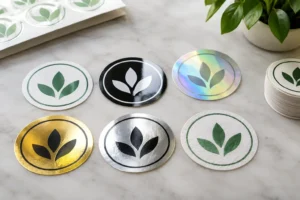
Compare popular sticker finishes for branding, from gloss and matte to clear, metallic and more, so every label, product or promotion looks spot on too.
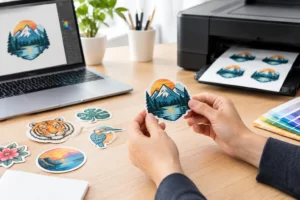
Need a sticker artwork design service? Get print-ready designs, unlimited proof changes and durable custom stickers made for tough Australian weather, promptly.
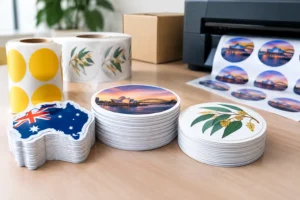
Need urgent sticker printing Australia-wide? Choose the right material, approve artwork fast and get durable custom stickers ready for your deadline today.
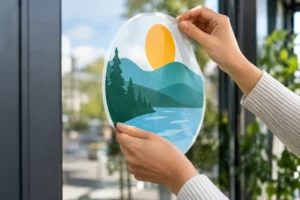
Choose static cling window stickers for clean, reusable promotions. Learn where they work best, how to apply them and when vinyl is the better option.