
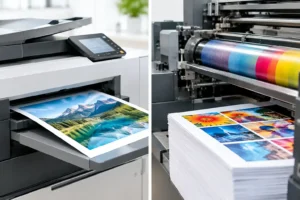
Digital Versus Offset Printing for Your Job
Digital versus offset printing explained for Australian businesses. Compare cost, speed, colour, quantities and the right choice for your next print run.
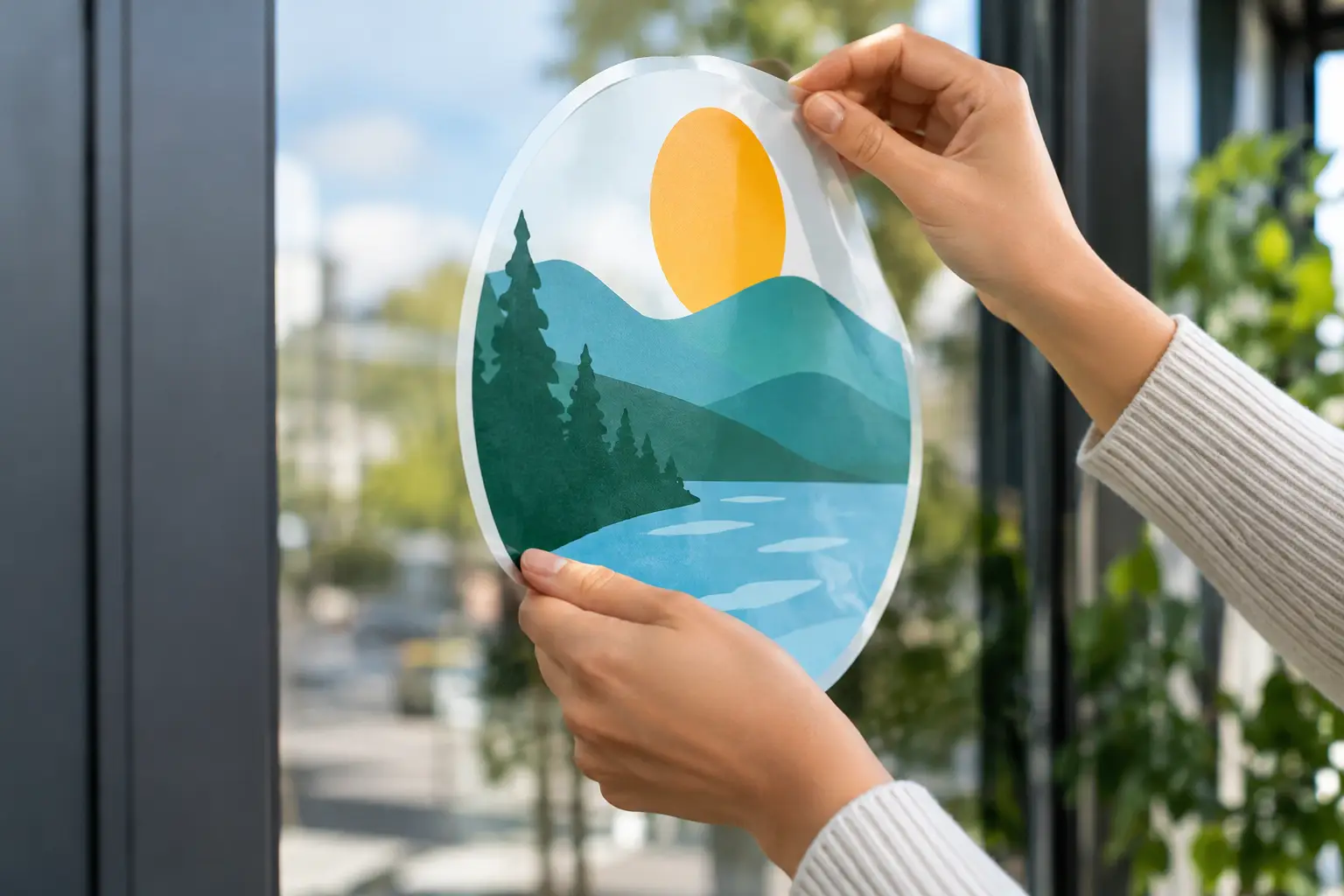
A front window can sell a special before anyone reaches the door. Static cling window stickers make that message easy to change, whether you are promoting a weekend sale, displaying trading information or dressing a shopfront for an event. They apply without adhesive, peel away cleanly and can often be reused when handled properly.
That flexibility is the big draw. But static cling is not the right material for every job. The surface, placement, weather exposure and how long you need the message displayed all affect the result. Choose well and you get a sharp, professional promotion without sticky residue or a painful clean-up later.
Static cling window stickers are printed on a smooth PVC film designed to grip clean, non-porous surfaces through static attraction rather than glue. Glass is the usual choice, but they can also work on mirrors and some smooth plastics.
Because there is no adhesive backing, they are easy to position and remove. That makes them particularly useful for businesses with changing offers, seasonal campaigns and short-term signage. Think EOFY sales, Christmas trading hours, school holiday activities, market-day information or a new product launch.
Most are applied to the inside of a window, facing out. This protects the print from rain, dust and direct handling while keeping the message visible to passing customers. For shopfront graphics, this is usually the smartest option.
Retailers use static cling for sale signs, window displays and QR-code promotions that need regular updates. Cafes and hospitality venues can use them for opening hours, takeaway offers or temporary menu call-outs. Real estate offices, community groups and event organisers often choose them for short-run notices that need to come down cleanly after the campaign ends.
They also suit vehicles when the sticker is displayed inside a window. A trades business might use a removable window message for a short promotion, while a club can add event branding to member cars without committing to permanent decals. For personal projects, they are a tidy option for party windows, baby announcements or festive decorating.
The key is to match the material to the job. Static cling is brilliant for smooth glass and temporary messaging. It is not made for rough walls, painted surfaces, dusty exterior panels or high-contact areas where people will constantly rub against the graphic.
The choice comes down to permanence and placement. Adhesive vinyl is the better option when you need a sticker to stay put for months or years, especially outdoors. It handles demanding conditions more reliably and is a safer choice for vehicle body panels, equipment, outdoor signs and long-term branding.
Static cling wins when removability matters. It leaves no glue behind, lets you reposition the sticker during application and makes campaign changeovers quick. A retailer can replace a sale message without scraping adhesive off the glass. An event organiser can apply branded window graphics for one weekend, then pack them away after the event.
There is a trade-off. Static cling needs a very clean, smooth surface to hold well. Its grip can weaken if the window is dusty, oily, textured or exposed to constant heat and moisture. If the sticker must survive a hot Australian summer on the outside of a window, adhesive vinyl is usually the more dependable call.
A great print can still look ordinary if it is applied over fingerprints, dust or air bubbles. The process is simple, but a few minutes of preparation make a noticeable difference.
Clean the application area with glass cleaner, then dry it completely using a lint-free cloth. Avoid placing the sticker straight over a patch that has just been wiped with a damp cloth. Any moisture, dust, grease or cleaning residue can interfere with the cling.
If the sticker has been stored rolled up, lay it flat for a short time before applying. This helps it sit smoothly against the glass instead of pulling at the corners.
Hold the sticker against the window and check the view from outside. Consider sightlines from the footpath, car park or entrance. A promotion placed too low may be hidden by displays, while one too high can be missed by pedestrians.
For a large design, use small pieces of low-tack tape as temporary guides on the outside edge of the graphic. This helps keep logos level and makes it easier to line up multiple stickers.
Peel the static cling carefully from its backing and place the centre against the glass first. Use a clean, soft cloth or squeegee to press from the middle out towards the edges. This pushes air away and reduces bubbles.
If you spot a crease or bubble, lift the sticker gently and reapply it. That is one of the practical advantages of cling material. Do not stretch it, as this can distort the design or make the edges lift.
Window signage has to compete with reflections, sunlight, passing traffic and everything happening inside your premises. Simple artwork generally performs best. Use a clear offer, readable type and enough contrast to make the message visible at a glance.
Bold colours work well, but contrast matters more than sheer brightness. Dark lettering on a light background, or light lettering supported by white ink, is often easier to read than a busy full-colour design. If your sticker will sit over a dark interior or tinted window, ask for a proof that reflects the final viewing conditions.
Keep critical details large. Your business name, campaign offer, event date and contact information should be legible from the distance where customers first notice the window. A detailed design may look excellent up close, but a person walking past only has a second or two to understand it.
For stickers applied inside glass and viewed from outdoors, make sure the artwork is prepared for the correct face of the window. Depending on the design and application method, it may need to be printed in reverse so it reads properly from outside. This is exactly the sort of detail worth confirming before production.
A single large sticker can create a strong focal point, while several smaller decals can guide customers through a window display. There is no one-size-fits-all answer. It depends on your glass area, viewing distance and how frequently the campaign will change.
For a small café window, a clean opening-hours decal and one promotional message may be all you need. A retail frontage with broad glass panels can support larger sale graphics, logo decals and product imagery without feeling crowded. Leave some breathing room so the window still lets light into the space.
Ordering a few extras is sensible for campaigns that run across multiple locations or involve repeated applications. Store unused stickers flat, clean and dry with their backing sheets on. Avoid folding them or leaving them in direct sunlight inside a vehicle, as heat can cause warping.
Static cling is not a shortcut for every removable application. If the graphic needs to stick to painted walls, uneven surfaces, packaging or outdoor boards, choose a material designed for that environment. Removable adhesive vinyl may be a better fit when you want clean removal but need stronger hold than static cling can offer.
Likewise, permanent vehicle branding, boat decals and safety labels need purpose-made adhesive materials. The right stock costs less than replacing a sticker that fails early or looks tired after a few weeks.
At Fast Stickers, the best result starts with a quick look at where the sticker will go, how long it needs to last and what customers need to see. If you have artwork ready, great. If not, clear design support and a proof can help turn a rough idea into window signage that does its job.
A clean window is valuable space. Use it for a message that can move as quickly as your next offer, event or bright idea.
Digital versus offset printing explained for Australian businesses. Compare cost, speed, colour, quantities and the right choice for your next print run.
Creating QR code stickers for packaging, shops and events? Get the design, sizing, testing and material choices so every scan works in Australia.
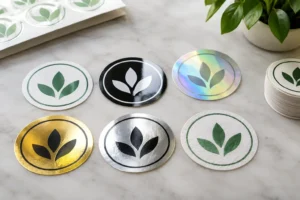
Compare popular sticker finishes for branding, from gloss and matte to clear, metallic and more, so every label, product or promotion looks spot on too.
Choose outdoor sticker materials that stand up to sun, rain, salt spray and daily wear, with practical advice for labels, vehicles, windows, gear and more.
Need a sticker artwork design service? Get print-ready designs, unlimited proof changes and durable custom stickers made for tough Australian weather, promptly.