
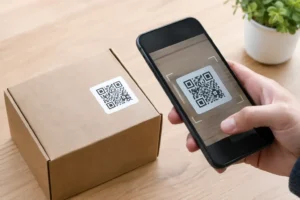
Creating QR Code Stickers That Get Scanned
Creating QR code stickers for packaging, shops and events? Get the design, sizing, testing and material choices so every scan works in Australia.
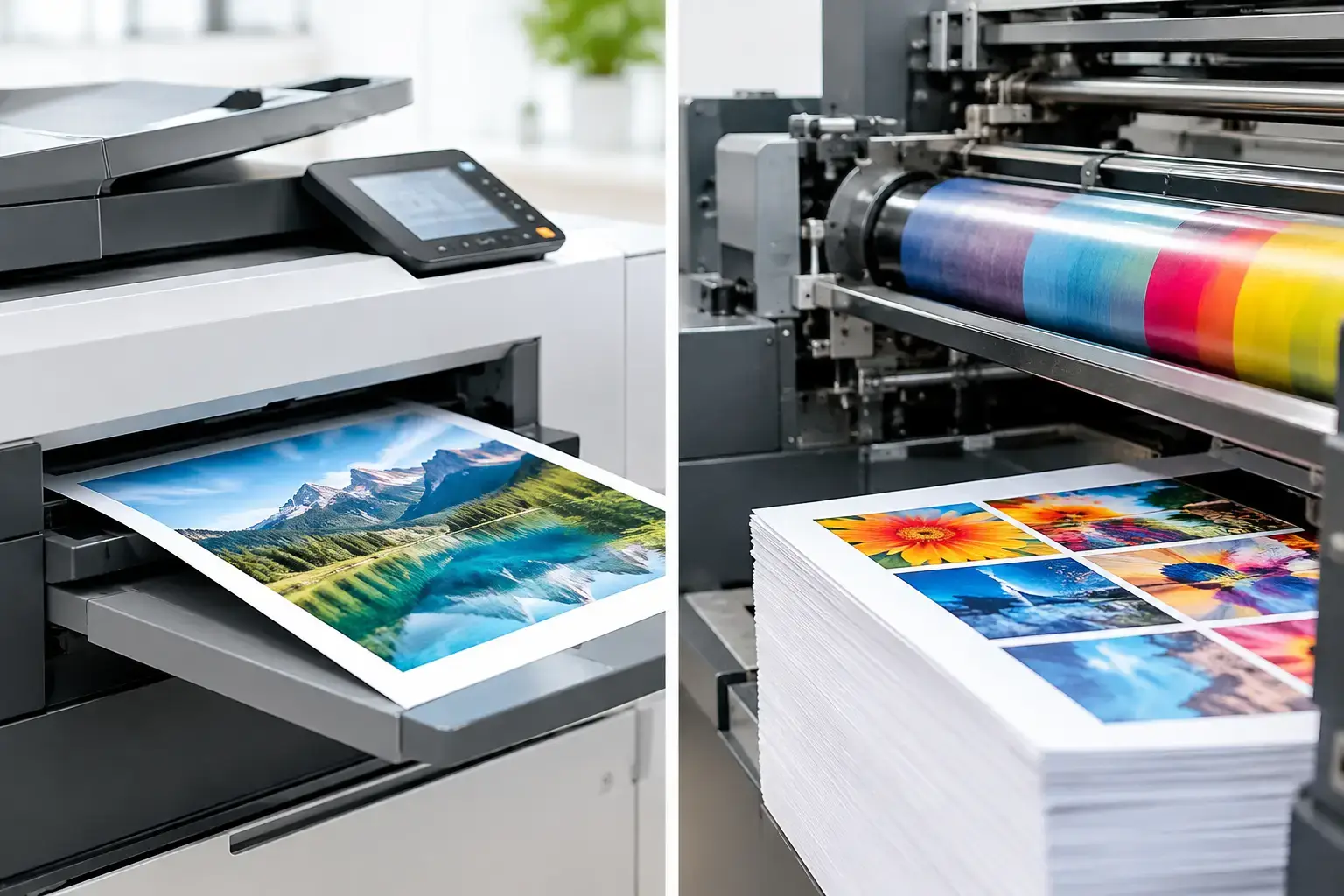
A last-minute event flyer, a new product label or 10,000 letterbox brochures can all be called a “print job”, but they do not need the same production method. In the digital versus offset printing decision, the right answer comes down to what you are printing, how many you need, how quickly you need them and whether every copy must be identical.
For most small businesses, the practical question is simple: do you need a short, sharp run without delay, or a high-volume job where unit cost matters most? Knowing the difference helps you spend your print budget where it counts.
Digital printing sends your artwork directly from a computer file to the press. There are no printing plates to create, so setup is quick and artwork changes are straightforward. It is a strong fit for short runs, urgent orders, personalised pieces and designs that may change between prints.
Offset printing works differently. Your design is transferred to metal plates, then from the plates onto rubber blankets and finally onto paper. That setup takes more time, but once the press is running, offset becomes highly efficient for large quantities. It has long been the go-to option for major brochure runs, catalogues, stationery and other repeat commercial work.
Neither method is automatically “better”. They are tools for different jobs. A café needing 200 takeaway menus next week has different priorities from a retailer ordering 50,000 catalogue inserts for a national campaign.
Digital is built for speed and flexibility. If your artwork is ready, there is less pre-production work before printing can begin. That makes it particularly useful when a deadline has crept up, a promotion needs a quick turnaround or you want to test a design before committing to a bigger run.
It also avoids the high upfront setup costs of plates. For smaller quantities, this often makes digital the more economical choice, even if the cost per individual item may not be the lowest at very high volumes. You can order what you need rather than filling a storeroom with outdated stock.
This flexibility matters when details change regularly. Think price lists, real-estate materials, event information, seasonal offers, staff business cards or product labels with changing flavours, sizes or batch details. Digital printing can also handle variable data, meaning names, numbering, QR codes or unique offers can change from one piece to the next within the same print run.
For many custom sticker and label orders, digital production is a practical match. It supports full-colour artwork, short runs and a wide variety of shapes without requiring a large commitment. If you are trialling new packaging or launching a limited-edition product, ordering a sensible quantity first can be the smarter move.
Offset printing starts to shine when quantities climb. The setup is more involved, but that cost is spread across every sheet in a large run. As volume increases, the per-unit cost can become very competitive.
It is also valued for consistency across long runs. Once the press is calibrated, offset can produce a large volume of printed pieces with dependable colour reproduction. Brands with tightly controlled colour standards may choose offset for major campaigns, especially where the same artwork will be printed in significant numbers.
Offset also offers broad options for specialist inks, paper stocks and finishes, depending on the printer and press configuration. It can be an excellent choice for high-volume brochures, presentation folders, books, direct-mail pieces and premium printed collateral where the production schedule allows for setup and proofing.
The trade-off is agility. A typo discovered after plates are made is more expensive and time-consuming to fix than a change to a digital file. Offset is less suited to a small run that needs to go out fast, particularly if the design will be revised again next month.
Comparing quotes without considering quantity can be misleading. Digital printing generally has lower setup costs, so it is often better value for small to medium runs. Offset has higher setup costs, but the price per piece usually drops more sharply as the run gets larger.
There is no universal crossover point where offset always becomes cheaper. It depends on the size, stock, number of colours, finishing requirements and the printer’s equipment. A simple A5 flyer and a foil-finished product sleeve will have very different cost calculations.
Before you choose, ask whether you will genuinely use the entire quantity. Printing 20,000 brochures at a lower unit price is not a bargain if half of them become rubbish after a phone number, offer or product range changes. A smaller digital run can protect your cash flow and let you improve the next version using real customer feedback.
Need print materials for a market, trade show or opening weekend? Digital usually has the edge. With no plates to produce, the production process can begin sooner once the artwork is approved. It is ideal for businesses that need to react quickly rather than plan every campaign months ahead.
That does not mean offset is slow by default. For planned, high-volume work, an offset printer can schedule production efficiently. The difference is that it benefits from lead time. Give it a settled artwork file, clear specifications and enough time for proper proofing.
No matter which method you choose, proof approval is where many print headaches are avoided. Check spelling, phone numbers, web addresses, QR codes, product information and trim margins before giving the go-ahead. If your logo has a particular brand colour, provide the correct colour reference rather than relying only on how it looks on a screen.
Modern digital printing can produce sharp, professional colour that works brilliantly for a huge range of business and promotional jobs. Offset remains a strong option for precise colour control and extensive high-volume work. But print quality is not determined by the press alone.
The artwork file, stock or material, finishing and intended use all affect the result. A beautifully printed label still needs the right adhesive for the surface it is going onto. A vehicle decal needs durable vinyl and laminate suitable for weather exposure. A clear sticker may need white ink underneath parts of the design so colours stay vivid instead of becoming transparent.
For outdoor stickers, boat decals, ute signage or product labels exposed to handling and moisture, material selection is often more important than choosing digital or offset. Start with the real-world conditions your print will face, then select the print process and substrate that support that use.
Choose digital when you need a smaller quantity, quick production, frequent artwork updates, personalisation or a low-risk test run. It is also the practical option when you want to order only what you can use now.
Choose offset when you have a high-volume order, finalised artwork, enough lead time and a strong reason to reduce the unit cost across thousands of identical pieces. It suits campaigns designed to stay consistent for a long period.
If your job sits in the middle, do not choose on method alone. Compare the total cost, turnaround, material, finish and likely shelf life of the printed piece. A good printer should be able to talk through the trade-offs in plain language, rather than pushing you towards a process that does not suit your job.
For stickers, labels and promotional print, the best result starts with a clear brief: where it will be used, how long it needs to last, how many you need and when you need it delivered. From there, Fast Stickers can help turn your artwork, rough idea or brand file into print that is ready to work hard for your business.
Creating QR code stickers for packaging, shops and events? Get the design, sizing, testing and material choices so every scan works in Australia.
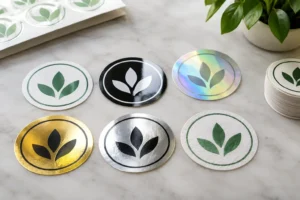
Compare popular sticker finishes for branding, from gloss and matte to clear, metallic and more, so every label, product or promotion looks spot on too.
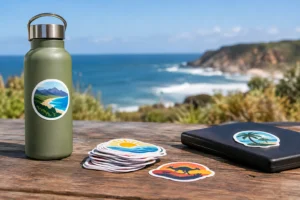
Choose outdoor sticker materials that stand up to sun, rain, salt spray and daily wear, with practical advice for labels, vehicles, windows, gear and more.
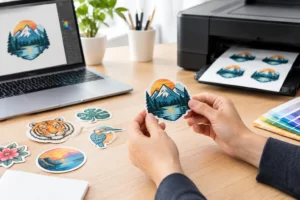
Need a sticker artwork design service? Get print-ready designs, unlimited proof changes and durable custom stickers made for tough Australian weather, promptly.
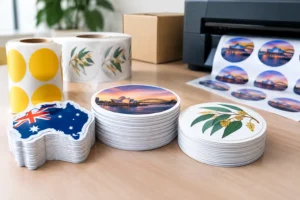
Need urgent sticker printing Australia-wide? Choose the right material, approve artwork fast and get durable custom stickers ready for your deadline today.