
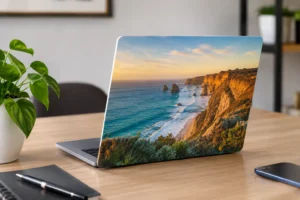
Custom Laptop Decals Australia That Last
Custom laptop decals Australia buyers can count on: choose the right vinyl, finish and fit for work, study or branding, with practical ordering tips today
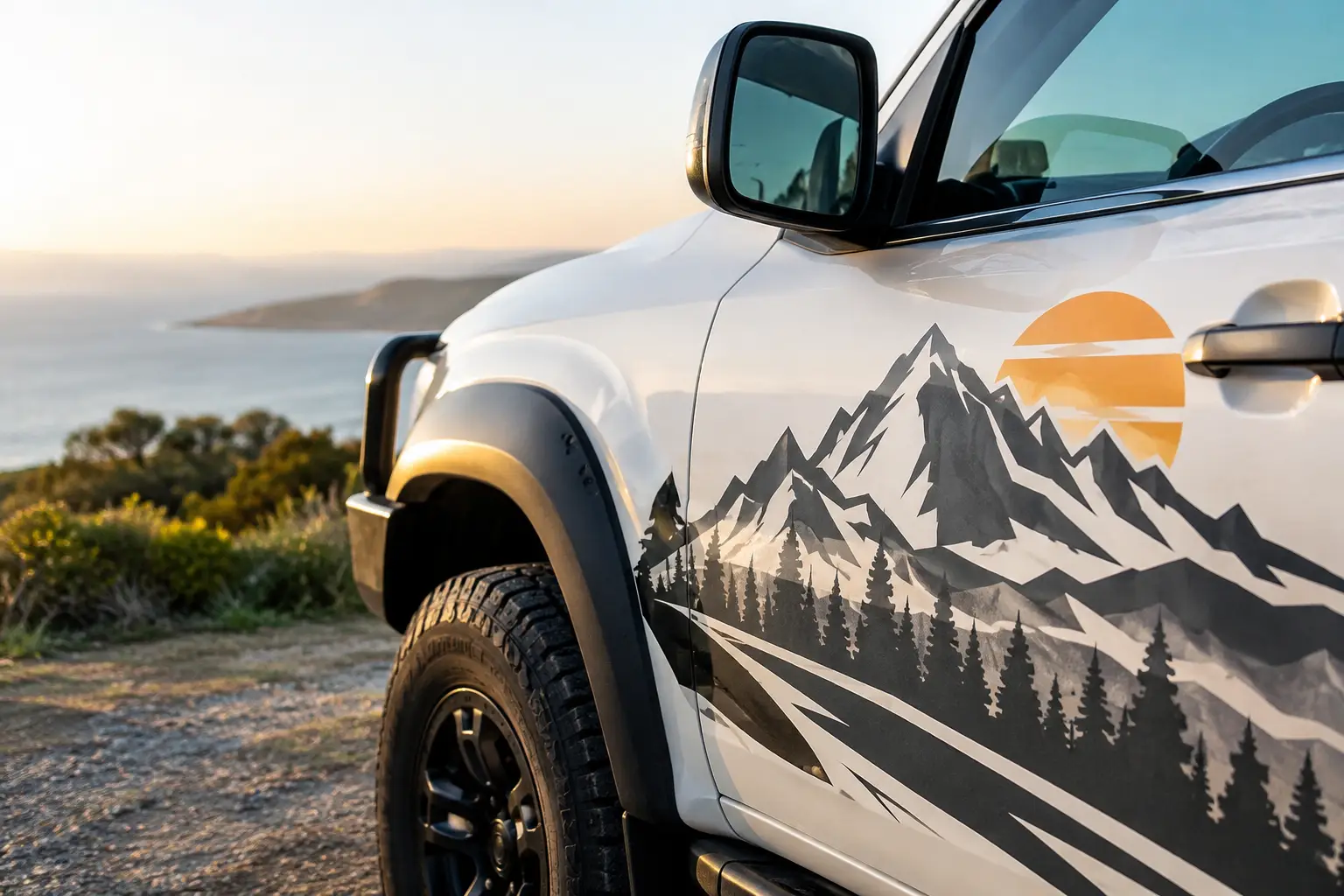
A work ute parked outside a job, a delivery car making its rounds, or a 4WD heading away for the weekend can all do more than get you from A to B. With well-made custom car stickers, every trip becomes a chance to put your name, offer or personality in front of the right people. The trick is choosing a sticker that looks sharp on day one and still does the job after plenty of sun, rain, road grime and car washes.
For businesses, vehicle stickers are one of the most practical forms of local promotion. Unlike an ad that disappears when the budget stops, a properly applied decal keeps working wherever the vehicle goes. For personal projects, they are an easy way to make a car, caravan, trailer or boat feel distinctly yours.
Not every sticker is made for a vehicle. A thin indoor paper label may look fine on a laptop or product box, but it will not last long on a door panel exposed to weather. Car stickers need durable vinyl, strong adhesive and quality printing that holds its colour in harsh Australian conditions.
That does not mean every job needs the same material. A permanent vinyl sticker suits long-term branding on a work vehicle, trailer or fleet. High-tack vinyl can be the better call for trickier surfaces or applications where extra grip matters. If you are promoting a short campaign, selling a vehicle, or simply want the option to remove the design later, removable vinyl gives you more flexibility.
Static-cling stickers work differently again. They use no adhesive and are designed for smooth glass surfaces, making them useful for temporary window messages, parking permits or event promotions. They are not the right choice for a dusty exterior panel or a long-term decal exposed to highway speeds.
The material is only one part of the equation. A good car sticker also needs clean cutting, crisp artwork and enough contrast to be read quickly. Most people will see your vehicle at traffic lights, in a car park or while passing by. They will not have time to decipher a busy design.
Start with where the sticker will go and how long it needs to stay there. A large logo on a ute door has different needs to a small safety message on a toolbox or a clear decal on a rear window.
Business vehicle stickers should make it easy for people to understand who you are and what you do in seconds. Your business name, logo, key service and phone number are usually enough. A plumber, landscaper, cleaner or mobile food business does not need to fit every service on the side of a vehicle. One clear message is stronger than a crowded panel of tiny text.
Use your brand colours, but check that they stand out against the paint colour. Dark lettering can disappear on a black vehicle, while pale colours may get lost on silver or white paint. Adding a contrasting background shape, white ink or a border can give the design the separation it needs.
For multiple vehicles, consistency matters. Matching stickers help a small team look established and make the brand easier to recognise around town. It also makes future reorders straightforward when the artwork and sizing have already been sorted.
Window stickers are useful, but placement needs care. Avoid blocking the driver’s view, mirrors, lights, number plates or essential safety markings. Requirements can vary by state and vehicle type, so check the applicable rules before applying a large window design.
Clear stickers are a popular option when you want the artwork to appear printed directly onto glass. White ink can be added behind selected parts of the design so pale colours and fine details do not disappear against the view through the window. Keep the layout bold, especially on rear glass where reflections and tinted windows can reduce visibility.
Personalised stickers are not all about advertising. A die-cut design can show off a hobby, club, family nickname or favourite saying without covering the whole vehicle. Caravans and campers are ideal for larger names, destination graphics or simple identification decals, while small vinyl stickers work well on a rear window, bumper, toolbox or storage case.
There is a trade-off between subtle and statement-making. A small die-cut sticker feels clean and personal. A full-colour bumper sticker makes a stronger impression but needs a simple message to stay readable. Consider how the design will look from a few metres away, not only on a computer screen.
Vehicle graphics are viewed in motion. That changes the design rules.
First, prioritise legibility. Choose a clear typeface and make the main words large enough to read from a reasonable distance. If your mobile number is a key part of the design, give it room to breathe. A web address, social handle and five service claims may all be useful, but they do not all need to live on one sticker.
Second, keep the hierarchy obvious. People should notice your logo or message first, then the contact detail. If everything is the same size and weight, nothing stands out. A strong logo paired with a short service line often performs better than a design crammed with information.
Third, use the shape to your advantage. Die-cut stickers follow the outline of your artwork for a polished, custom look. Rectangle or square stickers are often more economical and can work brilliantly for bumper messages, service reminders and simple branding. There is no universal best option – it depends on the design, placement and quantity you need.
If you only have a logo, rough sketch or idea, do not let that stop the project. Artwork assistance and proof revisions are especially helpful when you need to see how colours, sizing and layout will work before anything goes to print. Fast Stickers can help turn a concept into production-ready artwork, whether you are ordering one-off decals or a larger business run.
A premium sticker can still fail if it is applied to a dirty or unsuitable surface. Before fitting it, wash the area with mild soap and water, then dry it completely. Avoid waxes, silicone-based cleaners and oily residue, as these can interfere with adhesion.
Apply the sticker in a shaded area where possible. A hot panel can make adhesive harder to handle, while wind and dust create unnecessary frustration. Take your time lining it up before pressing it down. Once the adhesive makes full contact, repositioning may not be possible without damaging the sticker.
For a larger decal, work from one edge and smooth across gradually with a squeegee or clean, firm card wrapped in a soft cloth. This helps push out air as you go. Small bubbles can sometimes settle over time, but large trapped bubbles are best dealt with during application.
Flat painted panels generally give the cleanest result. Curves, deep grooves, rubber trims and heavily textured surfaces are more demanding, so choose the size and shape with the actual vehicle in mind. Measuring the area first is a small step that can prevent an expensive mismatch.
Quality vinyl is built for outdoor use, but a little care goes a long way. Give a newly applied sticker time to bond before washing the vehicle. When cleaning, use normal hand-washing methods rather than aiming high-pressure water directly at the sticker edges.
The sun is often the toughest test. Australian UV exposure can be unforgiving, particularly on vehicles parked outside every day. Quality inks and weather-ready vinyl help preserve colour, but no printed product is completely immune to years of constant exposure. If the vehicle lives outdoors and the artwork is critical to your brand, choose durable materials from the start rather than replacing cheap stickers more often.
Also think about the vehicle’s next chapter. Permanent branding is excellent for long-term work vehicles, but removable stickers may make more sense for leased cars, temporary promotions or changing campaign messages. Making that decision upfront avoids awkward removal jobs later.
A well-designed vehicle sticker does not need to shout to get noticed. It simply needs to say the right thing, in the right place, and keep looking professional through the everyday kilometres. Whether you are branding a fleet, labelling a trailer or adding a little character to your own ride, choose a material and design that are ready for the road ahead.
Custom laptop decals Australia buyers can count on: choose the right vinyl, finish and fit for work, study or branding, with practical ordering tips today
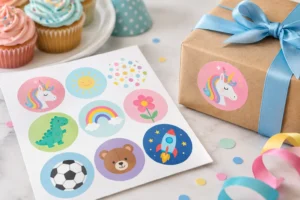
Personalised birthday party stickers make every invite, favour and lolly bag feel planned. Choose the right shape, finish and timing for a brilliant day.
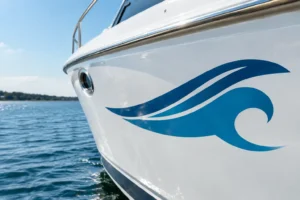
Custom boat name stickers made for salt, sun and spray. Choose durable vinyl, smart sizing and clean application for a finish that holds up offshore well.
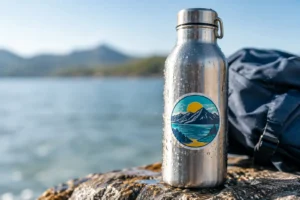
Choose waterproof stickers Australia can rely on: compare vinyl, adhesives and finishes for cars, packaging, boats and outdoor branding that lasts for longer.
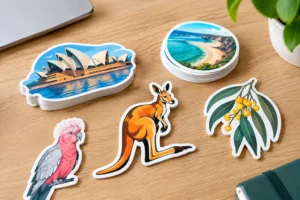
Order die cut stickers Australia businesses trust for sharp custom shapes, durable finishes and fast production, with free express delivery nationwide.