
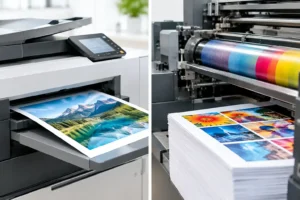
Digital Versus Offset Printing for Your Job
Digital versus offset printing explained for Australian businesses. Compare cost, speed, colour, quantities and the right choice for your next print run.
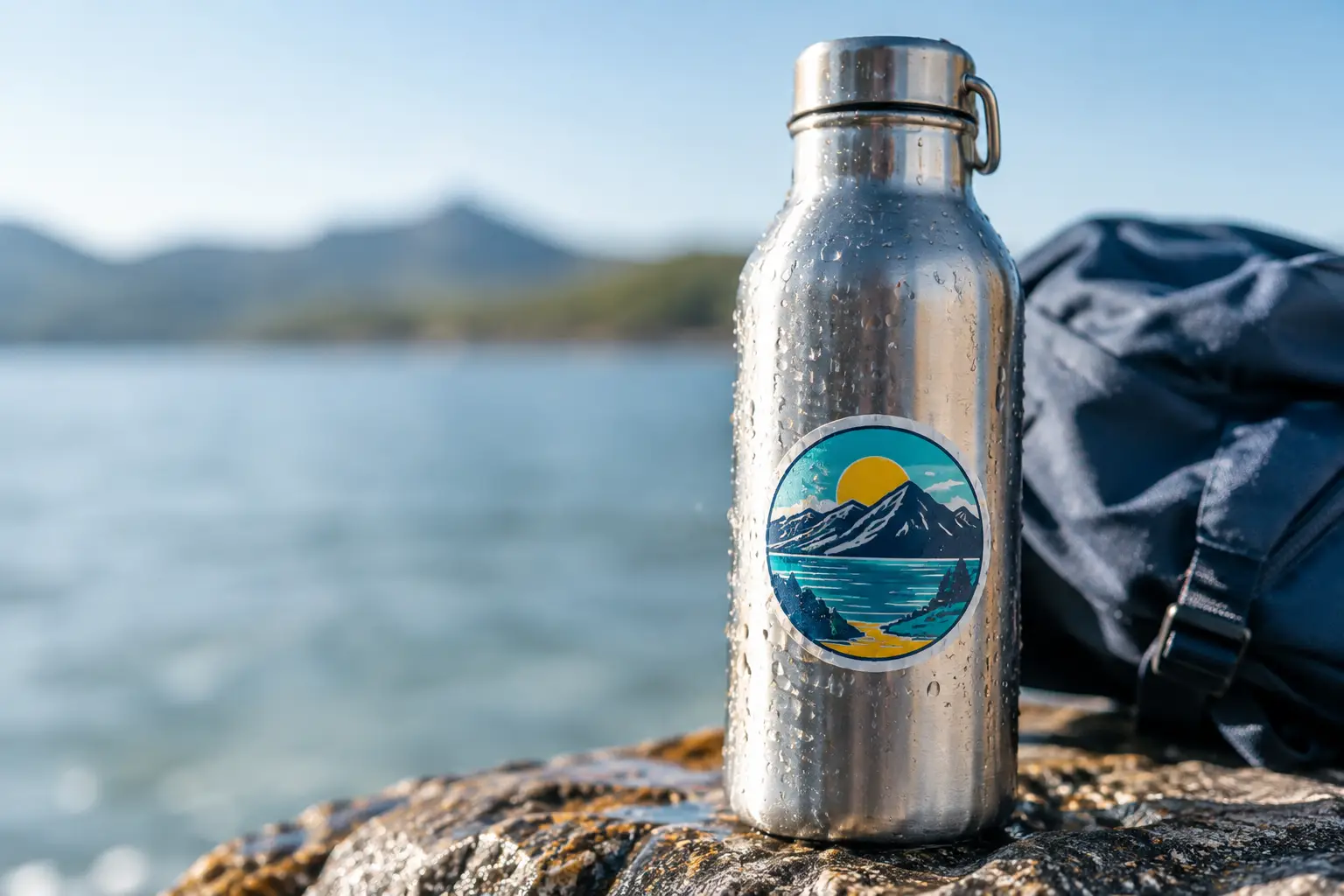
A sticker on a sunny shopfront, ute tray or water bottle has a tough job. It can face heat, rain, salt spray, scrubbing, fridge condensation and daily handling. That is why choosing waterproof stickers Australian businesses and households can count on means looking beyond the artwork. The material, adhesive and finish all need to suit where the sticker will live.
A good outdoor sticker should keep its colour, stay stuck and remain easy to read after real use. But there is no single material that is best for every job. A sticker for a boat needs a different level of grip from one used on a reusable coffee cup, and a removable promotion decal should not behave like a permanent vehicle graphic.
“Waterproof” is useful shorthand, but it does not tell the whole story. A sticker can resist water while still lifting at the corners if the adhesive is wrong for the surface. It can stick beautifully, yet fade early if it is constantly exposed to harsh sunlight. For long-lasting results, the face material, ink, protective finish and adhesive need to work together.
Vinyl is the go-to choice for many outdoor and high-handling jobs. It is flexible, water-resistant and suited to a broad range of smooth surfaces. When paired with quality printing and a protective laminate, vinyl stickers are a practical choice for vehicles, equipment, drink bottles, windows, outdoor signage and branded packaging that may get wet.
The surface matters just as much. Smooth, clean glass, metal and sealed plastic usually give adhesive stickers the best chance of lasting. Rough timber, dusty surfaces, textured plastics and low-energy plastics can be trickier. In those cases, a high-tack adhesive may be the smarter choice, but it is worth testing first if the item is valuable or difficult to replace.
Start with the job, not the shape. A round logo sticker might look great, but the material and adhesive should be chosen around how customers will use it.
For utes, vans, toolboxes, helmets and machinery, durability is the priority. Stickers may cop UV exposure, rain, road grime and regular washing. Premium vinyl with a strong permanent adhesive is generally the right fit, especially when the sticker will be exposed for months or years.
Keep the design bold. Fine text can be difficult to read from a distance, particularly when dust builds up. High-contrast colours, a clear logo and a phone number or web address that is large enough to read quickly will do more work for your brand than a crowded design.
Waterproof does not automatically mean marine-proof. Boats are exposed to repeated wetting, salt air and intense reflected sun, so material quality and adhesion matter more than ever. Vinyl with a suitable outdoor adhesive is a strong starting point, but the surface must be thoroughly cleaned and dried before application.
Avoid applying stickers over wax, silicone residue or damp areas. Even premium adhesive struggles to bond through contamination. If the boat has textured surfaces or curved sections, allow extra time for careful application so the sticker sits flat without tension at the edges.
Food jars, candle tins, skincare bottles, takeaway packaging and drink containers often encounter condensation, refrigeration or oily hands. Waterproof vinyl labels can help branding stay tidy and legible where paper labels may wrinkle or break down.
That said, not every product needs vinyl. A dry, short-life product in a carton may be better suited to paper labels, particularly when budget and a natural finish are more important than water resistance. Match the label to the customer journey. If the product will live in a bathroom, fridge, esky or kitchen, choose a material built for moisture.
For seasonal offers, events and short-run window graphics, permanent adhesive can create unnecessary clean-up later. Removable stickers and static-cling options are better when the message needs to come down cleanly after a sale, fundraiser or campaign.
Static-cling designs work without adhesive and are ideal for smooth glass. They are not designed for every surface or extreme outdoor use, but they are a practical option for car windows, shopfront promotions and temporary notices. The trade-off is simple: easier removal usually means less aggressive holding power.
Personalised stickers get handled more than most people expect. They are rubbed by hands, packed into bags and washed around drink bottles. Vinyl is a reliable choice here because it handles moisture and movement well while keeping colours looking sharp.
Die-cut stickers are particularly popular for logos, illustrations, names and custom artwork because the sticker follows the outline of the design. A white border can make colourful artwork stand out, while clear stickers offer a cleaner, more subtle look on glass or light-coloured surfaces.
A waterproof sticker still needs to communicate quickly. When designing for outdoor use, leave breathing room around key information and avoid placing important text too close to the edge. Corners and narrow sections are more likely to lift over time, especially on items that flex or are frequently washed.
Dark colours and fine detail can look excellent in a proof but may be less forgiving once dirt, glare or distance comes into play. For trade vehicles, market products and event signage, strong contrast usually wins. If your brand has a detailed logo, consider a simplified sticker version that keeps the recognisable elements without cramming in every detail.
Clear stickers are worth considering when you want the surface beneath to remain visible. White ink can be printed behind selected areas of the design so colours stay vibrant rather than becoming translucent. This is particularly useful for window stickers, bottles and clear packaging. Without white ink, colours can change noticeably depending on the surface behind them.
Metallic gold and silver finishes can add a premium feel to labels for candles, cosmetics, gifts and specialty products. They are visually effective, though they are usually chosen for shelf appeal rather than heavy-duty outdoor use. Again, it depends on where the sticker will end up.
Even the best sticker can fail early if it is applied to a dirty or unsuitable surface. Before applying, clean the area with an appropriate surface cleaner, then make sure it is dry and free from dust, wax, oil and fingerprints. Avoid applying in extreme heat, rain or cold where possible.
Place the sticker carefully from one edge and smooth it down as you go. This helps reduce trapped air and gives the adhesive an even bond. On larger decals, taking a slow and steady approach is better than trying to reposition the sticker several times.
Give the adhesive time to settle before washing the item or exposing it to heavy rain. The exact settling time can vary with material, surface and weather, but patience at this stage can make a real difference to long-term adhesion.
You do not need to be a print expert to order durable stickers. The useful details are the intended surface, whether the sticker is indoor or outdoor, how long it needs to last, and whether it must remove cleanly. With that information, the right material becomes much easier to choose.
Fast Stickers can help turn a logo, sketch or rough idea into a production-ready sticker, with artwork support and proof revisions before print. That is particularly handy when you are deciding between permanent vinyl, high-tack adhesive, clear stock or a removable option.
For businesses, a small test run can be a smart move before committing to a large label order. Apply samples to the actual bottles, containers, equipment or surfaces you use every day. A sticker that looks right on a screen is only proven when it performs where your customers will see it.
Choose for the conditions, keep the artwork clear, and apply it properly. That is how a sticker keeps promoting your business long after the first splash of rain, wash-down or hot Australian summer day.
Digital versus offset printing explained for Australian businesses. Compare cost, speed, colour, quantities and the right choice for your next print run.
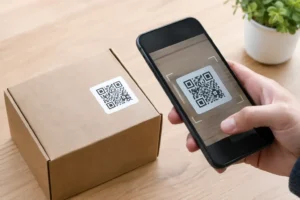
Creating QR code stickers for packaging, shops and events? Get the design, sizing, testing and material choices so every scan works in Australia.
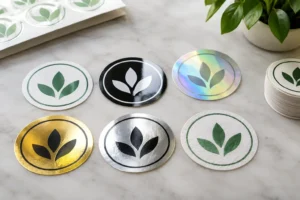
Compare popular sticker finishes for branding, from gloss and matte to clear, metallic and more, so every label, product or promotion looks spot on too.
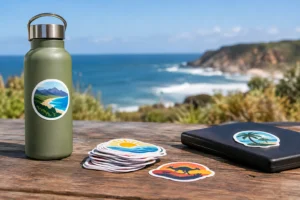
Choose outdoor sticker materials that stand up to sun, rain, salt spray and daily wear, with practical advice for labels, vehicles, windows, gear and more.
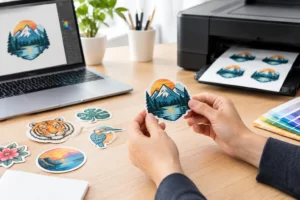
Need a sticker artwork design service? Get print-ready designs, unlimited proof changes and durable custom stickers made for tough Australian weather, promptly.