
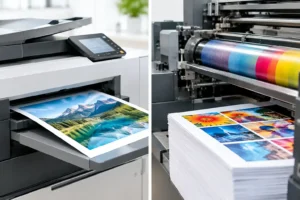
Digital Versus Offset Printing for Your Job
Digital versus offset printing explained for Australian businesses. Compare cost, speed, colour, quantities and the right choice for your next print run.
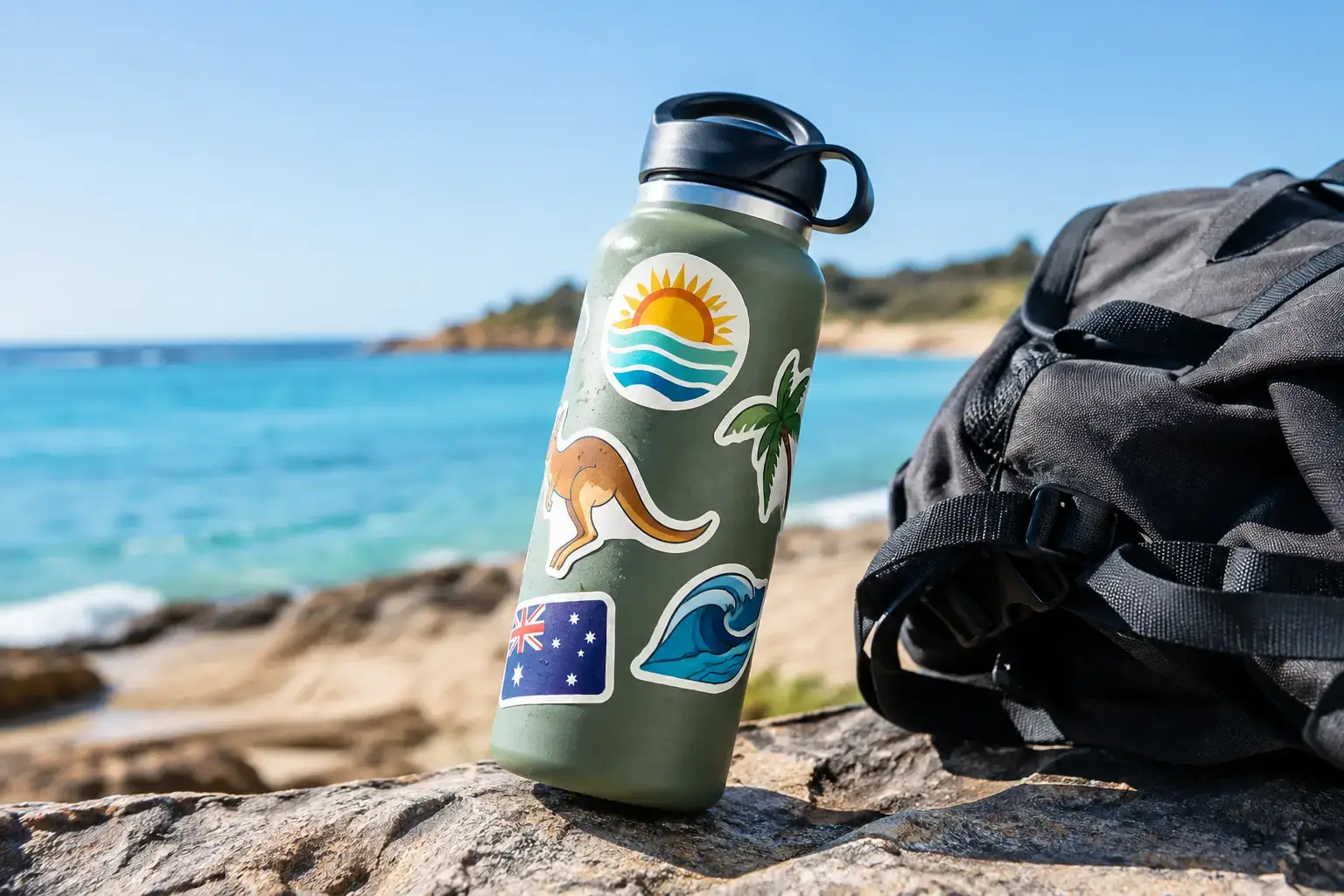
A ute parked outside a worksite, a boat on its trailer, a café window facing west – an Australian summer can test a sticker hard. If you are asking what stickers survive Australian summers, the short answer is outdoor-grade vinyl stickers with UV-resistant printing and an adhesive chosen for the surface. But the right choice still depends on where the sticker is going and how much abuse it will take.
Heat does not just fade ink. It can soften weaker adhesives, lift edges, shrink low-grade films and turn a sharp brand label into something tired-looking well before its time. Add salt air, sudden rain, dusty roads and regular washing, and the material matters just as much as the artwork.
For most outdoor jobs, premium vinyl is the practical front-runner. Vinyl is flexible, water-resistant and built to handle the movement and temperature changes that come with cars, bins, equipment, signage and outdoor products. It is a far better fit than paper labels or basic indoor promotional stickers when direct sun is part of the job.
A quality outdoor sticker also needs fade-resistant inks. UV exposure is what drains colour from logos, photos and bright promotional designs. A good print process helps colours hold up for longer, while a protective laminate adds another layer of defence against sunlight, rain, scuffs and cleaning.
If the sticker will face daily weather, choose a material and finish made for outdoor use from the start. Trying to save a few cents with an indoor paper label usually means replacing it sooner – and that costs more in time, presentation and repeat orders.
Vinyl stickers are a strong choice for vehicle graphics, tradie branding, fleet identification, toolboxes, machinery and wheelie bins. They suit smooth painted surfaces, glass and many hard plastics, provided the surface is properly cleaned before application.
For vehicles, a laminate is worth considering. It helps protect the printed face from road grime, bird droppings, car washes and the constant rubbing that comes with real-world use. Gloss laminate gives colour more punch. Matte laminate cuts glare and suits a more understated finish, particularly on dark vehicles or equipment.
Keep expectations realistic: even premium stickers can be damaged by pressure washers held too close, harsh solvents or repeated scraping. The material can take the weather, but no sticker is indestructible.
Not every surface is smooth and cooperative. Powder-coated metal, some plastics, textured containers and hard-use equipment can need extra grip. This is where high-tack stickers make sense.
High-tack adhesive is designed for applications where standard adhesive may struggle, especially if the item lives outside or is handled often. Think site equipment, outdoor storage tubs, hard hats, industrial containers and product packaging that may see heat in transit or on display.
The trade-off is in the name: high-tack means high commitment. These stickers are made to stay put, so they are not the right option for a temporary promotion or a surface you want to return to pristine condition later. Always make sure the sticker is positioned correctly before firm pressure is applied.
Clear stickers can survive summer conditions too, as long as the base material is outdoor-grade and the application suits the surface. They are popular on shopfront windows, vehicle glass, bottles, jars and product packaging because they let the item behind the design show through.
White ink can make a huge difference here. Without it, light colours and fine details may disappear against a clear bottle, tinted window or busy background. Adding white behind selected areas keeps logos and text readable while preserving the clean, transparent look.
For shop windows in full sun, consider the viewing direction before printing. A design intended to be read from outside needs a different setup from one placed inside the glass and viewed through it. Getting this right at proof stage avoids a costly reprint.
A sticker can have great-looking print and still fail if the adhesive is wrong for its environment. Heat is especially unforgiving when the surface has not been prepared properly.
Before applying an outdoor sticker, clean away dust, wax, oil, sunscreen residue and moisture. A clean cloth and an appropriate surface cleaner are usually enough. Let the surface dry completely, then apply in mild conditions where possible. Applying vinyl to scorching hot metal or a wet surface makes a harder job than it needs to be.
Give the adhesive time to bond before putting the item through a car wash, taking it onto the water or exposing it to heavy rain. The exact curing time varies by product and conditions, but rushing the process is one of the most common causes of lifting edges.
For removable stickers, the priority is different. They are ideal for short campaigns, event signage, promotions and temporary displays, but they are not designed to offer the same long-term hold as permanent outdoor vinyl. Match the adhesive to the lifespan you need, not just the look you want.
Paper labels have their place, but direct sun and moisture are not it. They work well for dry indoor packaging, short-run promotions, bakery goods, candle jars kept inside and products that will not be refrigerated, splashed or left in a hot car. For anything likely to sweat, get wet or sit near a window, vinyl is usually the safer choice.
Static-cling stickers are another specialist option. They use no adhesive and work best on clean glass or other very smooth surfaces. They are handy for car windows, temporary notices and seasonal promotions because they can be repositioned and removed cleanly. However, they are not suited to rough surfaces, external vehicle panels or places with constant handling.
The best material is not always the toughest one. A one-day community event does not need the same sticker as a boat name or a trades vehicle logo. Choosing for the actual job keeps the order practical and cost-effective.
Summer durability starts with material, but design affects how well a sticker performs over time. A busy design with tiny type may technically survive the weather yet become hard to read from a distance. For vehicles, outdoor signage and equipment labels, clear type, strong contrast and a simple hierarchy usually deliver better results.
Darker colours can absorb more heat, particularly on metal items left in full sun. That does not mean you must avoid black or deep brand colours, but it is another reason to use quality vinyl and an adhesive rated for the job. If your design includes broad blocks of colour, laminate helps reduce the effect of scratches and surface wear.
Die-cut shapes are a great way to make branding memorable, but very sharp points, narrow tails and intricate edges are more likely to catch and lift than a simple rounded shape. Where possible, allow a little breathing room around fine details. It makes the sticker easier to apply and more likely to stay neat.
Start with the environment. Is the sticker indoors, outdoors, on a vehicle, near water, on a textured surface or only needed for a weekend? Then consider the surface, how long it needs to last and whether removal will matter later.
For long-term outdoor branding, choose UV-resistant vinyl with a permanent or high-tack adhesive suited to the surface. For windows and clear packaging, use clear vinyl and add white ink where visibility needs help. For temporary glass promotions, static cling is often the cleaner option. For dry, indoor product labelling, paper labels can still be a smart and economical choice.
If you are unsure, it is worth getting advice before printing. At Fast Stickers, the artwork team can help match the finish, shape and material to the way your sticker will actually be used – not just how it looks on screen.
A sticker that lasts through an Australian summer is not about choosing the heaviest option every time. It is about choosing the right vinyl, adhesive and finish for the surface in front of you, then applying it cleanly and giving it time to do its job.
Digital versus offset printing explained for Australian businesses. Compare cost, speed, colour, quantities and the right choice for your next print run.
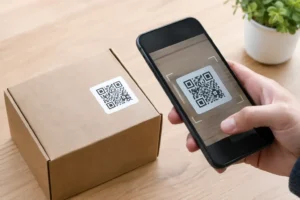
Creating QR code stickers for packaging, shops and events? Get the design, sizing, testing and material choices so every scan works in Australia.
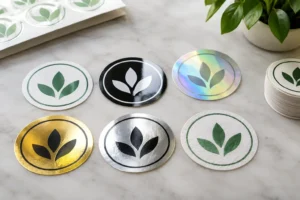
Compare popular sticker finishes for branding, from gloss and matte to clear, metallic and more, so every label, product or promotion looks spot on too.
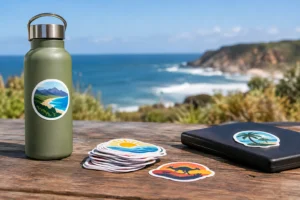
Choose outdoor sticker materials that stand up to sun, rain, salt spray and daily wear, with practical advice for labels, vehicles, windows, gear and more.
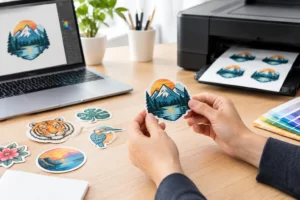
Need a sticker artwork design service? Get print-ready designs, unlimited proof changes and durable custom stickers made for tough Australian weather, promptly.