
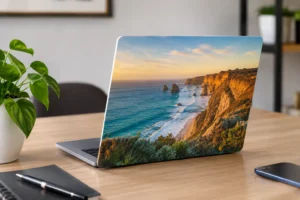
Custom Laptop Decals Australia That Last
Custom laptop decals Australia buyers can count on: choose the right vinyl, finish and fit for work, study or branding, with practical ordering tips today
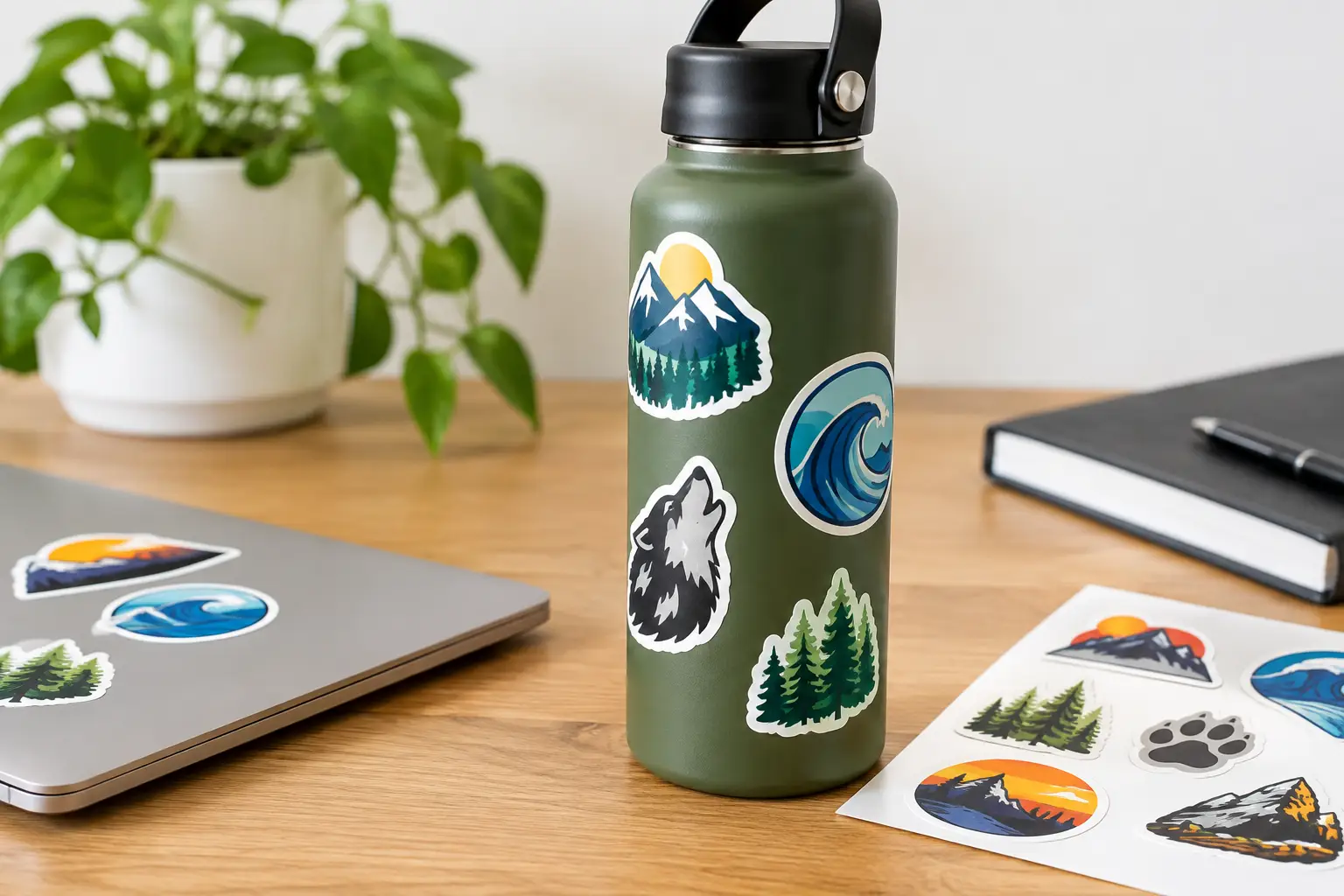
A sticker on a takeaway cup has one job. A sticker on a work ute, boat, product jar or outdoor sign has a much tougher one. Custom vinyl stickers need to look sharp on day one, stay put through handling and weather, and keep representing your brand long after the first impression.
That is why material choice matters as much as the design. The right sticker can turn plain packaging into a recognisable product, make event handouts worth keeping, or put your logo in front of potential customers wherever your team travels. The wrong one can peel at the edges, fade quickly or fail to stick to the surface it was made for.
Vinyl is a practical choice when a sticker needs more than a short indoor life. It is flexible, durable and well suited to jobs exposed to moisture, regular handling and changing conditions. Think water bottles, equipment cases, helmets, shop windows, vehicles, outdoor bins and product packaging that spends time in fridges or eskies.
For businesses, that durability protects the investment behind the sticker. A tradie’s logo on a ute door, a brewery decal on a fridge, or a skincare label on a bottle all need to remain clear and professional. For personal projects, vinyl is equally useful for boat names, camping gear, laptop decals, party favours and personalised gifts.
It does depend on where the sticker will go. A short-run promotion on dry indoor packaging may not need the same adhesive or finish as a decal facing sun, rain and road grime. Matching the sticker to the job avoids paying for features you will not use, while making sure critical applications do not fall short.
Before choosing a size or shape, ask one simple question: what is this sticking to? Smooth, clean surfaces such as glass, metal and hard plastic are generally the easiest. Textured plastic, powder-coated surfaces, painted walls and curved containers can be more demanding.
A standard permanent vinyl sticker is a strong all-round option for many branding and promotional jobs. It suits smooth packaging, equipment, laptops, vehicles and signage where you want the sticker to stay in place. High-tack adhesive is better when the surface is difficult or the sticker needs extra holding power. It is a sensible choice for some textured surfaces and demanding outdoor applications, but it is not designed for easy removal.
If the sticker is temporary, removable vinyl makes more sense. Retail promotions, short-term window messages and campaign decals often need to come off cleanly later. Static-cling stickers are another option for glass and smooth surfaces, particularly when you want a repositionable message without adhesive.
Surface preparation still counts. Wipe away dust, oil, wax and moisture, then allow the area to dry fully before application. Even premium adhesive cannot perform properly over a layer of grime from the workshop, road or kitchen bench.
Choose permanent vinyl when the message needs to stay. Choose removable vinyl when timing matters more than long-term hold. Choose static cling for smooth glass applications where repositioning is useful. The best option is not always the toughest adhesive. It is the one that fits the surface and expected lifespan.
A great-looking design on a computer screen can become hard to read once it is printed at sticker size. The answer is not to cram in more detail. It is to decide what someone must notice first.
For a product label, that may be the product name and flavour. For a vehicle sticker, it is usually the business name, service and contact detail. For event stickers, a bold date, logo or message may be enough. Keep key text large, use strong contrast and give important elements room to breathe.
Fine lines, tiny type and pale colours can lose impact, especially outdoors. If your logo includes delicate details, enlarge it or simplify the layout for smaller stickers. A sticker does not need to carry every piece of information about your business. Its job is often to get attention and make the next step obvious.
Bleed is also worth considering. Artwork that runs to the edge should extend slightly beyond the final cut line, so no unwanted white slivers appear after trimming. If that sounds technical, it does not need to become your problem. Fast Stickers provides free artwork help and proof revisions so first-time buyers can get a print-ready result without guessing.
The shape tells people something before they read a word. Die-cut stickers follow the outline of your design, making logos, mascots and illustrated artwork feel more considered. They are ideal for handouts, laptop stickers and branded giveaways because the whole sticker becomes part of the design.
Square, rectangle, circle and oval stickers are efficient choices for packaging and labels. They are easy to line up on jars, boxes, pouches and bottles, and they work well when you need a consistent system across several products. Sticker rolls are especially handy for high-volume labelling, where speed on the packing bench matters.
Finish is another practical decision. Clear stickers can create a clean, low-profile look on glass, bottles and windows. White ink can be added behind coloured artwork where opacity is needed, preventing colours from looking washed out against the surface underneath. Metallic gold and silver finishes bring attention to premium products, special releases and celebratory packaging, but they work best when used with a simple design that lets the effect show.
Sun, heat, rain and regular cleaning can test a sticker quickly. If the sticker will live outdoors, say so when ordering. A vehicle decal in regional Victoria, a boat graphic on the coast and a bin sticker in far north Queensland may all face very different conditions, but each needs a material built for outdoor use.
Avoid placing important text too close to edges, corners or deep curves where lifting can begin. On vehicles, apply decals after washing and drying the panel, and avoid waxing the area first. On bottles and containers, test a sample if the product will be chilled, handled frequently or exposed to oils and moisture.
Colour choice matters outdoors too. High-contrast colours remain easier to read at a distance, while a clean white background can give fine artwork more impact. For window decals, consider whether people will view the sticker from inside, outside or both. That detail changes how artwork should be prepared.
The fastest way to get the right result is to provide the essentials upfront: intended use, surface type, sticker size, quantity and whether it will be used indoors or outdoors. If you have artwork, supply the best-quality file available. If you only have a logo, a rough sketch or an idea in your head, that is still enough to begin.
Quantity affects the best format. A handful of die-cut decals can be perfect for a launch, market stall or party. Hundreds of identical labels may be better as rolls for quick application. A mixed range of sizes can help a retail brand label jars, shipping boxes and giveaway packs without losing visual consistency.
Speed matters too, especially when a launch date, event or stock delivery is already locked in. Local production, clear proofs and a quick approval process keep jobs moving. With 2-3 business-day production and free express shipping Australia-wide, you can plan around a real deadline rather than hope a last-minute order arrives.
The strongest sticker projects begin with a clear purpose: make the product stand out, label it accurately, promote the business or give people something they want to keep. Start there, choose the material that suits the surface, and let the design do its job long after it leaves your hands.
Custom laptop decals Australia buyers can count on: choose the right vinyl, finish and fit for work, study or branding, with practical ordering tips today
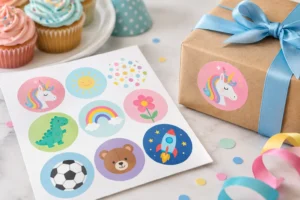
Personalised birthday party stickers make every invite, favour and lolly bag feel planned. Choose the right shape, finish and timing for a brilliant day.
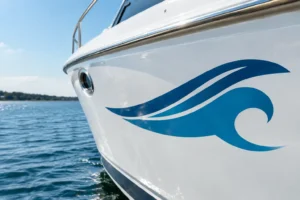
Custom boat name stickers made for salt, sun and spray. Choose durable vinyl, smart sizing and clean application for a finish that holds up offshore well.
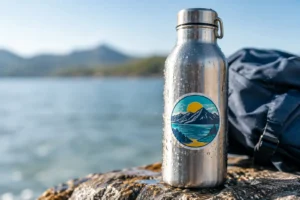
Choose waterproof stickers Australia can rely on: compare vinyl, adhesives and finishes for cars, packaging, boats and outdoor branding that lasts for longer.
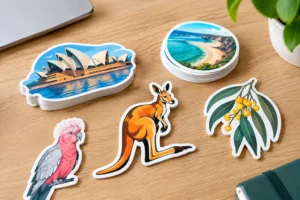
Order die cut stickers Australia businesses trust for sharp custom shapes, durable finishes and fast production, with free express delivery nationwide.